
Your Hardwood Floors Deserve Better Than Guesswork
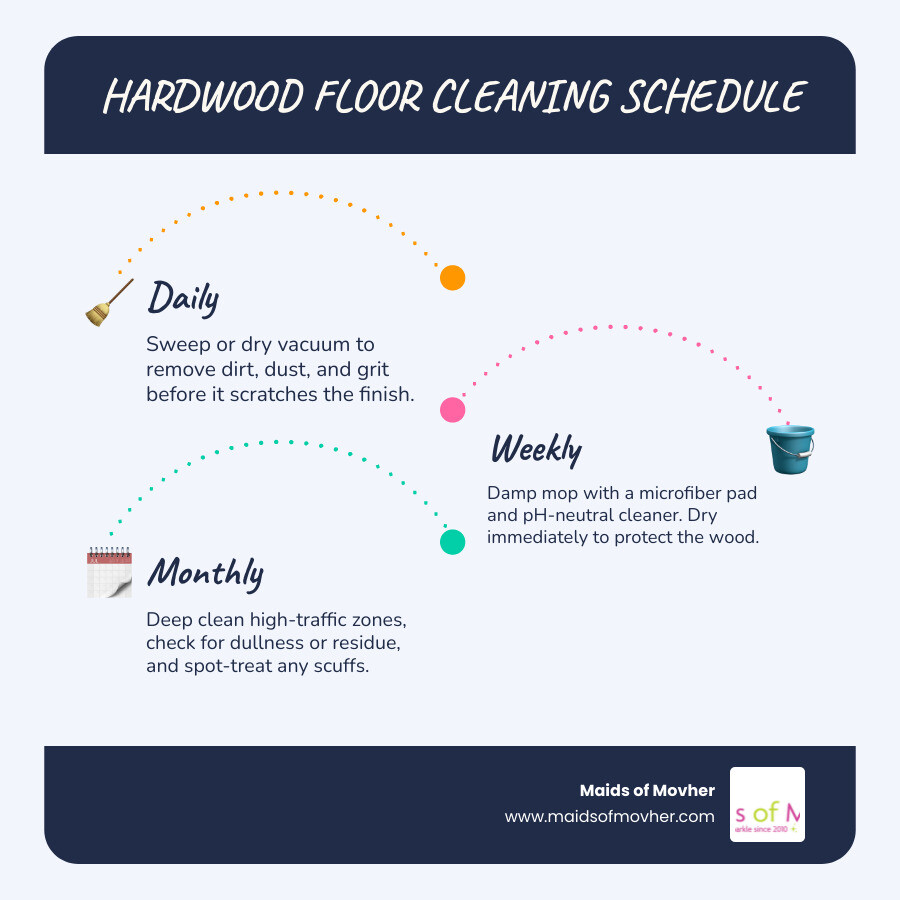
How often should you mop hardwood floors? For most Spokane homes, the answer is once a week — but the right frequency depends on your household, your floor’s finish, and what life looks like inside your front door.
Here’s a quick reference so you can find your answer fast:
| Household Type | Recommended Mopping Frequency |
|---|---|
| Standard household (1-2 people, low traffic) | Every 2-4 weeks |
| Average household (moderate foot traffic) | Once per week |
| Larger household (3+ people, high traffic) | 1-2 times per week |
| Homes with pets | 2-3 times per week |
| High-traffic areas (kitchen, entryway) | Weekly minimum |
| Low-traffic areas (guest room, bedroom) | Every 2-4 weeks |
| Allergy sufferers | Weekly to bi-weekly |
Hardwood floors are one of the most beautiful — and most sensitive — surfaces in your home. They add warmth, value, and character. But unlike tile or vinyl, wood is a natural material that reacts to moisture, grit, and the wrong cleaning products in ways that can cause real, lasting damage. Too much water warps boards. The wrong cleaner dulls the finish. Skip cleaning too long, and embedded dirt starts acting like sandpaper underfoot.
The good news? A simple, consistent routine keeps hardwood floors looking stunning for decades — even in busy Spokane homes with kids, pets, and muddy winter boots at the door.
I’m Sabrina Jones, owner of Maids of Movher, a woman-owned residential cleaning company that has been making Spokane homes sparkle since 2010. With over a decade of hands-on experience helping families maintain beautiful, healthy homes, I’ve seen what how often should you mop hardwood floors really means in practice — and I’m here to help you get it right.
How Often Should You Mop Hardwood Floors?
Finding the “sweet spot” for mopping hardwood floors is all about balancing hygiene with moisture protection. Because wood is hygroscopic—meaning it naturally absorbs and releases moisture from the air—flooding it with water on a daily basis is a recipe for warped planks, buckling, and mold growth.
For the average household, damp mopping once a week is the perfect standard. This frequency keeps dust, pet dander, and tracked-in grit from wearing down your floor’s protective seal, without exposing the wood to unnecessary water.
However, your floor’s finish plays a massive role in how you should approach this schedule:
- Polyurethane Finishes (Surface-Sealed): Most modern floors have a clear, protective topcoat (either water-based or oil-based polyurethane). These surfaces are highly water-resistant, making them the easiest to maintain with a weekly damp mop.
- Oil or Wax Finishes (Penetrating Seals): Older or custom-designed hardwood floors often rely on oils or waxes that penetrate the wood fibers rather than sitting on top. These floors are highly sensitive to water and should only be damp-mopped every 2 to 3 weeks using manufacturer-specific, water-free, or low-moisture cleaners.
To help you map out the perfect cleaning rhythm for your specific household layout, lifestyle, and busy schedule, check out our Spokane Homeowners Guide to Picking the Perfect Cleaning Frequency.
How Often Should You Mop Hardwood Floors with Pets and Kids?
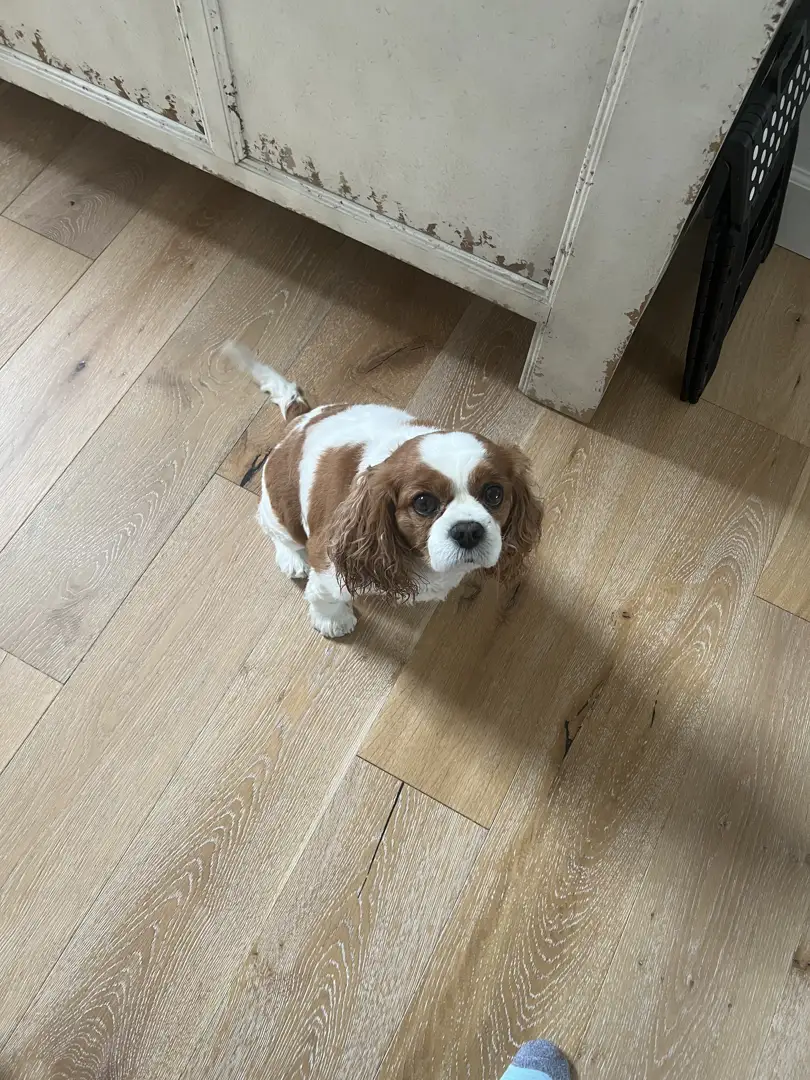
If your home is filled with the pitter-patter of little feet and the click-clack of paws, your hardwood floors face a constant barrage of challenges. Muddy paws, spilled juice, pet drool, and shedding fur can quickly turn a pristine floor into a dull, sticky mess.
For homes with pets, we recommend increasing your mopping frequency to 2 to 3 times per week.
This elevated schedule isn’t just about keeping up appearances; it’s about floor preservation and health:
- Fur and Dander Control: Pet hair and dander settle into the micro-gaps between floorboards. Regular mopping prevents these allergens from becoming airborne.
- Scratch Prevention: When dirt and grit attach to pet paws, they act like sandpaper on your hardwood. Sweeping daily and damp-mopping a few times a week keeps these abrasive particles off your floor.
- Quick Spot Cleaning: Always clean up pet accidents, muddy prints, and liquid spills immediately.
Keeping your pet’s nails trimmed is another simple trick to extend the lifespan of your floors. For more practical advice on keeping your home looking beautiful under pressure, read our expert tips on How to Protect Your Hardwood Floors from Everyday Wear and Tear.
How Often Should You Mop Hardwood Floors in High-Traffic vs. Low-Traffic Areas?
Not every room in your house experiences the same level of wear and tear. Your kitchen and front entryway probably look like Grand Central Station, while your guest bedroom might only see foot traffic once a month.
Treating your entire home with a single, uniform mopping schedule can lead to over-mopping some areas and neglecting others. Instead, segment your home:
- High-Traffic Zones (Kitchens, Entryways, Hallways): These areas demand a weekly damp mop at minimum. Kitchens, in particular, accumulate grease splatters and food residues that require frequent cleaning to prevent sticky buildup.
- Low-Traffic Zones (Bedrooms, Home Offices, Formal Dining Rooms): These spaces can easily go 2 to 4 weeks between damp mops, provided they are regularly swept or vacuumed to keep dust at bay.
By customizing your cleaning map, you protect your floors from unnecessary moisture exposure while focusing your energy where it matters most. If you live in Liberty Lake and want to know how to structure your overall home care routine, take a look at our guide on How Often Should You Clean Your Liberty Lake Home.
Seasonal and Environmental Factors Affecting Mopping Frequency
In the Inland Northwest, our weather swings dramatically from snowy, icy winters to hot, dusty summers. These seasonal changes directly impact how you should care for your hardwood floors.
- Winter Protection: During Spokane’s winter months, we track in snow, ice-melt chemicals, and road salt. Salt and de-icing agents are incredibly alkaline and can chemically eat away at your floor’s polyurethane finish. During winter, you may need to increase your entryway mopping to twice a week using a clean, damp cloth to neutralize and remove these harsh residues.
- Spring Allergy Season: High pollen counts in the spring mean more allergens settling on your floors. Weekly mopping during this time helps keep indoor air quality high and keeps allergy symptoms at bay.
- Humidity Management: Solid hardwood floors perform best when your home’s relative humidity is kept between 35% and 55%. In the winter, dry forced-air heating can cause wood to shrink, leading to small gaps between the boards. When summer arrives, the wood expands, closing those gaps. Keep this in mind when mopping; during dry seasons, avoid letting water settle into those temporary winter gaps.
Curious about how environmental factors influence cleaning frequencies in other wet areas of your home? Discover the details in A Science Based Guide to Bathroom Cleaning Frequency.
The Golden Rules of Mopping Hardwood Safely
Mopping hardwood isn’t like washing a car or scrubbing a tiled bathroom floor. When it comes to wood, less is almost always more.
To clean your floors deeply without risking water damage, follow our proven step-by-step technique:
- Prep the Surface First: Never wet-mop a floor that hasn’t been swept or vacuumed. Dust, grit, and sand act like sandpaper when dragged across wood by a damp pad. Use a dry microfiber dust mop daily, or vacuum weekly using a hard-floor setting (ensure the rotating beater bar is turned off to prevent scratches).
- Control the Moisture: Your mop should be damp, never dripping wet. A great rule of thumb is that your floors should dry completely within 2 to 3 minutes of mopping. If water is pooling or taking longer to evaporate, your mop is too wet.
- Go with the Grain: Always run your mop in the direction of the wood grain. This distributes the cleaning solution evenly and prevents streaking or leaving visible watermarks.
- Dry as You Go: If you notice any remaining dampness, follow behind with a dry microfiber cloth or flat mop to dry the surface immediately.
If you prefer to keep your cleaning routine safe, natural, and free of harsh chemicals, you’ll love our guide on How to Clean Your House Without Harsh Chemicals or a Hazmat Suit.
Choosing the Right Tools and Cleaners
Using the right tools makes all the difference in preserving your wood’s natural luster. Traditional string mops and heavy cotton mops hold onto too much water, making them dangerous for hardwood.
Instead, build your hardwood cleaning toolkit with these safe, professional-grade items:
- Flat Spray Mops: These are the gold standard for hardwood. They allow you to lightly mist a controlled amount of cleaner directly onto the floor, preventing oversaturation.
- Microfiber Mop Pads: Microfiber is incredibly gentle on wood finishes and electrostatically attracts dust and dirt. Plus, reusable microfiber pads can be machine washed (just avoid fabric softener, which coats the fibers and causes floor streaking).
- pH-Neutral Cleaners: Look for specialized wood cleaners formulated to protect polyurethane finishes. Avoid multi-surface cleaners that contain harsh alkaline chemicals or heavy oils.
To find the perfect balance between professional-grade performance and eco-friendly safety, check out our curated list of Professional Grade and Planet Friendly: The Best Green Cleaners.
What to Avoid: Products and Tools That Damage Wood
Sometimes, knowing what not to do is more important than knowing what to do. Many common household cleaning products and trendy tools can slowly destroy your hardwood floors over time.
To protect your investment, we recommend keeping these items far away from your wood:
- Steam Mops: Despite what advertisements claim, steam cleaners are highly destructive to hardwood. They force pressurized, superheated moisture into the wood grain, through micro-cracks in the finish, and deep into the seams. This causes wood to swell, warp, peel, and will void almost every flooring manufacturer’s warranty.
- Supermarket Oil Soaps and Waxes: Products like Murphy’s Oil Soap can leave a hazy, sticky residue on modern polyurethane finishes. Over time, this buildup attracts more dirt and makes it impossible to apply a fresh “screen-and-recoat” finish later on without completely sanding the floors down to bare wood.
- Abrasive Scrubbing Pads: Never use steel wool or abrasive sponges to tackle tough spots, as they will scratch through the protective seal.
For a deeper dive into choosing safe products for your home, take a look at our Natural vs Chemical Cleaning Products Comparison Guide.
Why Steam Mops and Vinegar Are Hardwood Enemies
Two of the most common DIY cleaning solutions—steam mops and white vinegar—are actually some of the worst offenders when it comes to hardwood damage.
Let’s look at the science of why they cause so much trouble:
- The Problem with Vinegar: White vinegar is highly acidic, typically sitting at a pH of 2 to 3. While it’s fantastic for breaking down mineral deposits on tile or glass, that same acidity slowly etches and eats away at your hardwood’s protective polyurethane topcoat. Over time, vinegar stripping will leave your floors looking dull, lifeless, and unprotected.
- The Danger of Steam: Wood is a natural, organic material that naturally expands when exposed to heat and moisture. Steam mops combine both of these elements under pressure. The steam penetrates deep between the wood planks, causing the edges to lift (a process known as cupping) and breaking down the glue holding engineered hardwood together.
To understand how to safely clean your home using eco-friendly alternatives that won’t destroy your surfaces, check out our Ultimate Guide Green Home Cleaning Products.
How to Tell When Your Hardwood Floors Are Truly Clean
Have you ever finished mopping, only to find that your floors still feel slightly sticky or look cloudy? It can be incredibly frustrating.
Fortunately, there is a simple, foolproof way to test if your floors are truly clean: The White Rag Test.
To perform this test, spray a small, inconspicuous area of your floor with a safe, pH-neutral hardwood cleaner. Take a clean, white cotton cloth or microfiber rag and wipe the area firmly.
- If the rag remains white: Your floors are genuinely clean, and any dullness you see is likely due to a worn-out finish rather than dirt.
- If the rag is grey, brown, or black: There is still embedded dirt or cleaning product residue on the surface, meaning it’s time to change your mop pad and do a residue-clearing pass with clean, distilled water.
Removing Scuffs, Stains, and Dullness Without Refinishing
If your floors are clean but suffer from minor cosmetic issues, you don’t necessarily need to pay for a costly, dusty refinishing job. Try these simple, expert-approved tricks first:
- The Tennis Ball Trick for Scuffs: To remove light heel scuff marks, take a clean, fuzzy tennis ball, cut a small “X” in it, place it on the end of a broom handle, and rub it firmly over the scuff. The friction will lift the mark right off the floor without scratching the wood.
- The Baking Soda Sponge for Heavy Scuffs: For stubborn scuffs, apply a tiny amount of baking soda to a damp sponge. Gently rub the mark, then wipe the area dry with a clean cloth immediately.
- The Water Bead Test: Unsure if your floor’s protective seal is still working? Drop a few droplets of water onto a high-traffic area of your floor. If the water beads up and stays there for 10+ minutes, your finish is intact. If the water quickly absorbs into the wood and darkens it, the protective seal has worn away, and it’s time for a professional screen-and-recoat or refinishing.
Frequently Asked Questions About Hardwood Floor Care
Can I use a steam mop on sealed hardwood floors?
No. Even if your floors are professionally sealed, steam mops should never be used. The high heat and pressurized moisture can easily find micro-cracks in the polyurethane seal, forcing water deep into the wood fibers, which can cause warping, cupping, and wood rot. Using a steam mop will also void most flooring warranties.
Why do my hardwood floors look dull or sticky after mopping?
Dull or sticky floors are usually caused by two things: using too much cleaning solution, or using a dirty mop pad. When you use more cleaner than recommended, it leaves behind a soapy residue that traps dirt and creates a cloudy film. To fix this, mop the floor with a clean microfiber pad lightly dampened with distilled water to strip away the residue.
When is it time to refinish my floors instead of mopping?
If your floors remain dull after thorough cleaning, or if you notice graying wood in high-traffic pathways, it may be time to refinish. Another clear indicator is the water bead test: if water droplets absorb quickly into the wood rather than beading on the surface, your protective finish is gone, exposing the raw wood to potential water damage.
Conclusion
Finding the perfect rhythm for how often should you mop hardwood floors is the secret to keeping your home’s most beautiful asset looking gorgeous for generations. For most Spokane homes, a quick daily dust-sweeping combined with a light, weekly damp mop is all it takes to keep your hardwood shining bright.
At Maids of Movher, we believe your home should be a place of relaxation, not a never-ending list of weekend chores. As a locally-owned, woman-owned business, our mission has been to brighten and bring some sparkle to our clients’ homes in Spokane, Spokane Valley, Mead, Airway Heights, and Liberty Lake since 2010.
We take great pride in our employee-first philosophy. By paying the highest wages in the area and offering our team a healthy work-life balance with no nights or weekends, we retain experienced, happy professionals who deliver consistent, reliable, and high-quality results. Our pet-friendly cleaning practices use safe, eco-friendly products to protect your family, your pets, and your beautiful hardwood floors. Plus, through our partnership with Cleaning for a Reason, we are proud to give back to our community by providing free cleaning services to cancer patients.
Let us give you your weekends back so you can enjoy the beautiful Spokane outdoors or catch up on your favorite book. Book a professional cleaning service in Spokane with Maids of Movher today, and let us make your home sparkle!
