
Why Understanding Factors That Affect Cleaning Time Helps You Set Better Expectations
The factors that affect cleaning time in any home are more varied and interconnected than most people realize — and knowing them upfront can save you frustration, wasted effort, and a lot of guesswork.
Here is a quick overview of the main factors that determine how long cleaning takes:
| Factor | Impact on Cleaning Time |
|---|---|
| Home size and layout | Larger homes and complex floor plans take longer; open-concept spaces can be surprisingly time-consuming |
| Clutter level | Heavy clutter forces tidying before actual cleaning can begin, adding significant time |
| Number of occupants and pets | More people and pets mean more dirt, hair, and dander to address |
| Cleaning frequency | Homes cleaned less often accumulate more buildup, increasing time per visit |
| Room and surface type | Bathrooms and kitchens are the most time-intensive; glass, stone, and stainless steel require multiple passes |
| Desired cleanliness level | A quick maintenance clean takes far less time than a deep clean or first-time service |
| Soil and buildup level | Heavier grime and grease require longer dwell times and more mechanical effort |
| Team size and technique | Two cleaners working in parallel can cut real-time duration by 50% or more |
There is no universal standard for how long cleaning should take — every home is different. A small apartment with heavy clutter and two cats can easily take longer to clean than a spacious, well-maintained family home in Spokane Valley. According to research on hotel housekeeping, only task-related variables — things like room size, number of bathrooms, clutter, and floor type — show statistically significant influence on cleaning time. Employee-related variables, by contrast, have no meaningful effect. That finding holds true in residential cleaning as well.
A 2,000 square foot home, for example, typically requires 3 to 5 hours for a weekly clean, 4 to 6 hours for a biweekly clean, and 5 to 7 hours for a monthly clean. A first-time professional cleaning can take 2 to 3 times longer than a recurring visit simply because accumulated buildup — soap scum, grease, dust, and grime — must be addressed before any maintenance routine can begin.
I’m Sabrina Jones, owner of Maids of Movher and a home services entrepreneur with over a decade of hands-on experience observing exactly how factors that affect cleaning time play out in real Spokane-area homes. In the sections below, I’ll walk you through every major variable so you can set realistic expectations and get the most out of every clean.
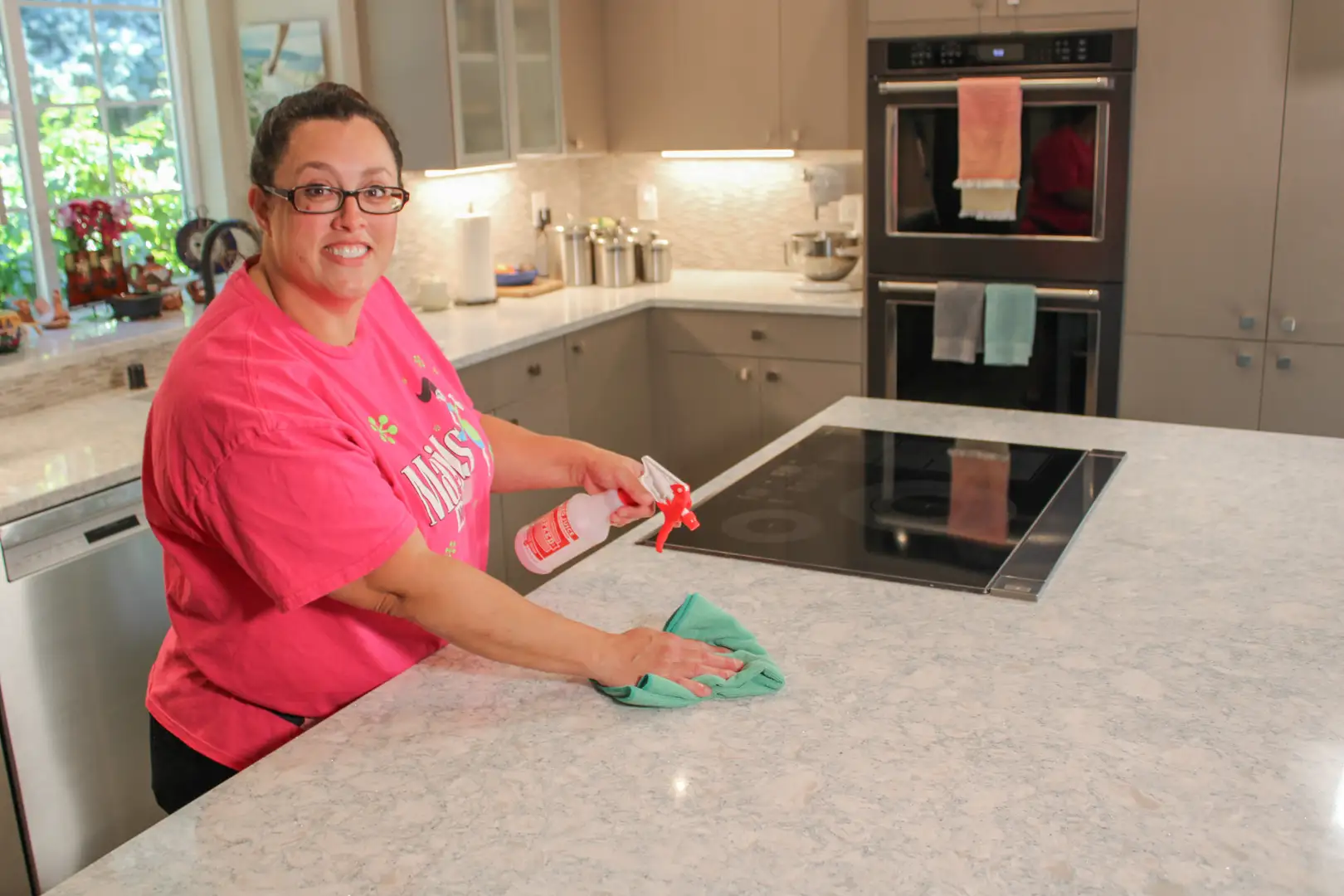
The Science of Clean: Five Core Factors That Affect Cleaning Time
Cleaning is not just a physical chore; it is a scientific process governed by a set of interdependent variables. In the professional cleaning world, we often refer to “Sinner’s Circle,” a classic cleaning equation that balances four primary elements: Time, Temperature, Mechanical Action, and Chemical Reaction. To translate this perfectly into a residential setting, we add a fifth, foundational element: Procedures.
These five factors interact constantly. If you decrease one factor, you must increase one or more of the others to achieve the same level of cleanliness. Understanding how they balance is key to understanding what actually dictates the hands-on hours spent in your home.
| Cleaning Factor | Description | How It Impacts Cleaning Time |
|---|---|---|
| Time (Dwell Time) | The duration a cleaning agent remains on a surface before being wiped or rinsed. | Longer dwell times allow chemicals to break down tough soils, reducing the need for aggressive scrubbing. |
| Temperature | The heat of the water or steam used during the cleaning process. | Higher temperatures lower soil viscosity and melt fats or grease, speeding up soil removal. |
| Mechanical Action | The physical friction applied to a surface (scrubbing, wiping, vacuuming, or agitation). | Increased friction speeds up soil removal but risks damaging delicate finishes if overdone. |
| Chemical Reaction | The pH and formulation of the cleaning product interacting with the soil. | Selecting the correct pH (neutral for stone, alkaline for grease) ensures rapid, effortless soil breakdown. |
| Procedures | The systematic techniques, training, and sequence of tasks followed by the cleaner. | Proper, standardized procedures eliminate wasted movement and prevent re-contaminating clean areas. |
Let’s look at how these elements play out on a practical level in your home.
If we apply a high-quality, eco-friendly bathroom cleaner to a tub coated in soap scum, that product needs “dwell time” (typically 3 to 10 minutes) to work its chemical magic. If we wipe it off immediately, we have cut the Chemical Reaction and Time factors short. To compensate and still get the tub clean, we must dramatically increase Mechanical Action—meaning we have to scrub much harder and longer, which ultimately increases the total time we spend in your bathroom.
Conversely, using warm or hot water (Temperature) when cleaning greasy kitchen countertops helps liquefy oils rapidly, allowing the Chemical Reaction to occur almost instantly and cutting down on both scrubbing time and overall duration.
When you look at Beyond the Surface: A Deep Cleaning vs Maintenance Comparison, you can see how adjusting these five scientific variables changes the entire scope of a service. A deep clean relies heavily on extended chemical dwell times and meticulous mechanical action to lift years of embedded grime, whereas a routine maintenance clean relies on highly optimized procedures to keep your home pristine in a fraction of the time.
Property Characteristics: Size, Layout, and Surface Materials
Every home in the Spokane area has its own unique architectural personality. From historic crafts in South Hill to sprawling, modern builds in Liberty Lake, the physical layout and structural materials of your house are highly influential factors that affect cleaning time.
To get a realistic picture of what to expect during a professional visit, we must look beyond basic square footage. It helps to understand how the physical layout and the specific finishes of your home dictate the speed of a clean, as detailed in our guide on Stop Watching the Clock and Learn What to Expect During a Maid Visit.
How Home Layout and Size Act as Key Factors That Affect Cleaning Time
While total square footage is the starting point for any time estimate, the layout of that square footage is what truly dictates a cleaner’s pace. In the commercial cleaning industry, professionals use an “obstacle factor” scale (typically ranging from 1.0 for wide-open spaces to 1.6 for highly obstructed rooms) to calculate production rates.
In residential cleaning, we face similar hurdles:
- The Flow of the Floor Plan: A modern, open-concept home with minimal walls allows a cleaner to move quickly and systematically. Conversely, a home with the same square footage split into a maze of small rooms, narrow hallways, and multiple staircases requires constant stopping, turning, and repositioning of equipment.
- Stairs and Levels: Carrying heavy vacuums, mop buckets, and cleaning caddies up and down multiple flights of stairs adds physical fatigue and slows down transitions between rooms.
- The “Cleanable Area” vs. Footprint: Two homes might both be 2,500 square feet, but if one is sparsely furnished with clear walkways and the other is packed with heavy furniture, tight corners, and hard-to-reach nooks, the latter will have a much higher obstacle factor, adding substantial time to the clock.
Surface Materials and Decor as Hidden Factors That Affect Cleaning Time
The materials used to build and decorate your home determine how many “passes” a cleaner must make over a single area. Different surfaces require completely different tools, chemical products, and levels of care.
- Hardwood vs. Carpet: Vacuuming carpet is a straightforward, one-step process. Hard floors, however, require a two-step process: thorough vacuuming or sweeping to remove loose grit, followed by careful mopping. If you have delicate hardwood floors throughout your home, they require specialized, pH-neutral wood cleaners and controlled moisture levels to protect the finish, which naturally takes longer than running a vacuum over a rug.
- High-Maintenance Finishes: Modern homes often feature extensive glass, stainless steel, and dark natural stone. These materials are beautiful but unforgiving. They show every fingerprint, water spot, and streak, often requiring multiple cleaning passes, specialized microfiber cloths, and dedicated buffing to look truly clean.
- Collectibles and Decor: Dusting a flat, empty mantel takes three seconds. Dusting a mantel lined with delicate family heirlooms, framed photos, and intricate collectibles requires slow, meticulous hand-wiping of each individual item. High dusting—reaching ceiling fans, crown molding, and light fixtures—also adds time, especially if a ladder or extendable poles must be deployed safely.
Lifestyle Variables: Occupants, Pets, and the Clutter Tax
The physical house is only half of the equation; how you live in your home is the other half. The number of people residing under your roof, the presence of children, your cooking habits, and whether you share your space with furry companions are all massive factors that affect cleaning time.
When we evaluate a home, we look at the daily “wear and tear” it experiences. A busy household with active kids and home-cooked meals every night naturally generates more soil, kitchen grease, and bathroom grime than a quiet home occupied by a single professional. To help determine how these lifestyle factors shape your home’s unique needs, you can read our guide on How Often Should You Clean Your Liberty Lake Home?.
Clutter Level: The Ultimate Time Thief
Ask any professional cleaner what slows them down the most, and they won’t say dirty showers or greasy stoves. They will say clutter.
Clutter acts as a direct tax on cleaning time. When surfaces are covered in miscellaneous items, a cleaner cannot perform actual, deep sanitizing work without first moving those items.
Here are the most common household clutter time-wasters:
- Paper piles: Unopened mail, school papers, and magazines scattered across kitchen islands and dining tables.
- Toys and games: Children’s toys or pet chew toys spread across living room rugs and bedroom floors.
- Stray clothing: Shoes in the entryway, coats slung over chairs, and laundry piles in the bathrooms.
- Excessive countertop items: Dozens of small appliances, spice jars, and beauty products lining kitchen and bathroom counters.
When a professional team encounters heavy clutter, they must pay the “Clutter Tax.” This means spending valuable minutes picking up, organizing, and finding a safe place to set items aside before they can even spray a countertop or vacuum a floor.
To avoid this, we recommend a simple “5×5 prep” before your cleaning team arrives: spend just 5 minutes per room putting away 5 key items. This simple pre-tidying routine ensures your cleaners can focus 100% of their energy and time on deep, high-quality sanitizing and polishing, rather than organizing your belongings.
Service Frequency and the Deep Clean Debt Cycle
How often your home is professionally cleaned has a dramatic, compounding effect on the time required for each visit. If you skip regular cleanings, you aren’t actually saving time in the long run; instead, you are accumulating what we call “deep clean debt.”
When a home goes weeks or months without a thorough clean, dust, soap scum, hard water stains, and kitchen grease build up in layers. Removing these layers requires heavy-duty chemical reactions, extended dwell times, and intense mechanical scrubbing.
To understand how structured maintenance keeps this buildup at bay, it is helpful to look at The Great Cleaning Debate: Subscription vs One-Time Service Explained. By establishing a recurring cleaning schedule, you Stop the Deep Clean Debt Cycle with Regular Maintenance, keeping your home at a beautiful, easy-to-maintain baseline.
Weekly vs. Monthly Cleaning Durations
The frequency of your service directly determines how much soil accumulates between visits, which in turn dictates the time needed to clean.
- Weekly Cleaning: This is the fastest per-visit option. Because only seven days of dust and light soil have settled, a 2,000 square foot home can typically be zipped through in 3 to 5 hours. The dirt hasn’t had time to bond to surfaces, so it wipes away with minimal effort.
- Biweekly Cleaning: This is the most popular frequency for busy families. A biweekly clean of a 2,000 square foot home takes slightly longer—about 4 to 6 hours—because there is a bit more soap scum in the showers and dust on the baseboards, but it is still highly manageable.
- Monthly Cleaning: Monthly services function more like a “mini deep clean” or a monthly reset. Because four weeks of grime, pet hair, and dust have settled, the soil has begun to bond to surfaces. A monthly clean for that same 2,000 square foot home jumps to 5 to 7 hours, requiring much more physical scrubbing and detailed attention.
Choosing the right frequency is all about balancing your budget, your household’s lifestyle, and your desired level of daily cleanliness. For a deeper dive into finding your perfect match, check out the The Great Maid Debate and How to Choose Your Frequency and our specialized Spokane Homeowners Guide to Picking the Perfect Cleaning Frequency.
Recognizing When Your Home Needs a Reset
If you have gone several months without professional help, or if seasonal pollen, winter mud, or holiday hosting have taken a toll on your home, a standard maintenance clean won’t cut it. You will need a comprehensive deep clean to reset your living space to a clean baseline.
If you aren’t sure where your home stands, look out for the common Signs Your Spokane Home Needs a Deep Clean, such as visible soap scum buildup on glass shower doors, dusty baseboards, or lingering pet odors.
Task-Related vs. Employee-Related Variables
When homeowners think about what makes a cleaning go quickly, they often focus on the individual cleaner: Are they fast? Are they experienced? Are they working hard?
Surprisingly, scientific time studies in the cleaning industry show a very different reality.
In a landmark stopwatch time study of hotel room cleaning published in a Spanish hospitality research journal, researchers analyzed a wide range of variables to see what actually impacted cleaning times. The results were clear: only task-related variables had a statistically significant influence on cleaning time. Employee-related variables—such as the cleaner’s individual pace, years of experience, or specific training levels—showed no statistically significant impact on the total duration of the clean when professional standards were upheld.
What does this mean for your home? It means that a professional, well-trained cleaner works at a steady, optimized, and ergonomic pace designed to ensure quality and safety. They do not cut corners or rush, because doing so leads to missed spots, damaged surfaces, and physical burnout.
Instead, the real time-savers are task-related:
- The structural tasks at hand: How many bathrooms need scrubbing, how much hard flooring needs to be mopped, and how heavy the soil buildup is.
- Division of Labor: Sending a coordinated team of two or more professional cleaners is far more efficient than sending a solo cleaner. In a team setting, tasks are divided strategically—one person vacuums and preps floors while the other details bathrooms and kitchens. This parallel workflow eliminates downtime, minimizes equipment transitions, and reduces the real-time clock duration by 50% to 60%, getting us out of your hair much faster.
Frequently Asked Questions About Cleaning Time
Why does the first professional cleaning take so much longer?
The first cleaning of a home is a deep, restorative process designed to establish a clean baseline. Over time, invisible layers of dust, airborne cooking grease, hard water deposits, and soap scum accumulate on surfaces. Even in a home that looks tidy, these soils require extended chemical dwell times and detailed, manual scrubbing to safely lift without damaging the underlying materials. Once this initial “deep clean debt” is paid, subsequent recurring visits take significantly less time because we are simply maintaining that clean baseline.
Which rooms in a house take the longest to clean?
Bathrooms and kitchens are by far the most labor-intensive and time-consuming rooms in any home.
In bathrooms, we must tackle soap scum, hard water spots, and sanitizing high-touch fixtures. In fact, academic time studies show that just five core bathroom tasks—high dusting, cleaning walls and tile, scrubbing showers and tubs, detailing the vanity, sink, and mirrors, and sanitizing the toilet—account for over two-thirds of the total bathroom cleaning time.
Kitchens are equally demanding due to cooking grease, which acts as a glue for dust and pet hair, requiring specialized degreasers and meticulous hand-wiping of cabinets, countertops, and appliance exteriors.
How does having pets affect the total cleaning duration?
Sharing your home with pets is wonderful, but it does add a “pet tax” to the cleaning process. Pet hair and dander don’t just sit on top of carpets; they get woven into the fibers and cling statically to baseboards, upholstery, and hard floors. Removing pet hair requires specialized vacuum attachments, extra passes over carpeted areas, and detailed hand-wiping of baseboards where hair tends to gather. On average, homes with shedding pets can add 20% to 30% to the standard cleaning duration to ensure all hair, dander, and paw prints are thoroughly removed.
Conclusion
At the end of the day, understanding the factors that affect cleaning time is about reclaiming your most valuable asset: your free time. Whether you live in a cozy bungalow in Mead, a historic home in Spokane, or a spacious modern property in Liberty Lake, your home has its own unique cleaning equation shaped by its size, layout, surfaces, and your family’s lifestyle.
At Maids of Movher, we believe you shouldn’t have to spend your precious weekends scrubbing baseboards, fighting soap scum, or paying the “clutter tax” yourself. Since 2010, our woman-owned, locally operated team has been dedicated to making homes sparkle across Spokane, Spokane Valley, Mead, Airway Heights, and Liberty Lake.
Our unique, employee-first philosophy is the secret behind our consistent, high-quality service. By offering the highest wages in the area, active community involvement, and a supportive work environment with no nights or weekends, we treat cleaning as a professional career. Our happy, well-paid, and meticulously trained employees stay with us long-term, which means you get reliable, familiar faces who understand the exact nuances of your home.
We are proud to use eco-friendly and pet-friendly cleaning practices that keep your children and four-legged family members safe. Plus, through our partnership with Cleaning for a Reason, we actively give back to our community by providing free house cleaning services to local cancer patients.
Let us handle the science of clean so you can get back to what matters most—whether that’s spending time with family, exploring the beautiful Pacific Northwest, or simply relaxing with a good book. Backed by our professional training and our absolute satisfaction guarantee, we promise to always “make it right.”
Ready to experience the difference of a truly sparkling home? Book professional house cleaning services in Spokane, WA with Maids of Movher today, and let us give you your weekends back!
